English




















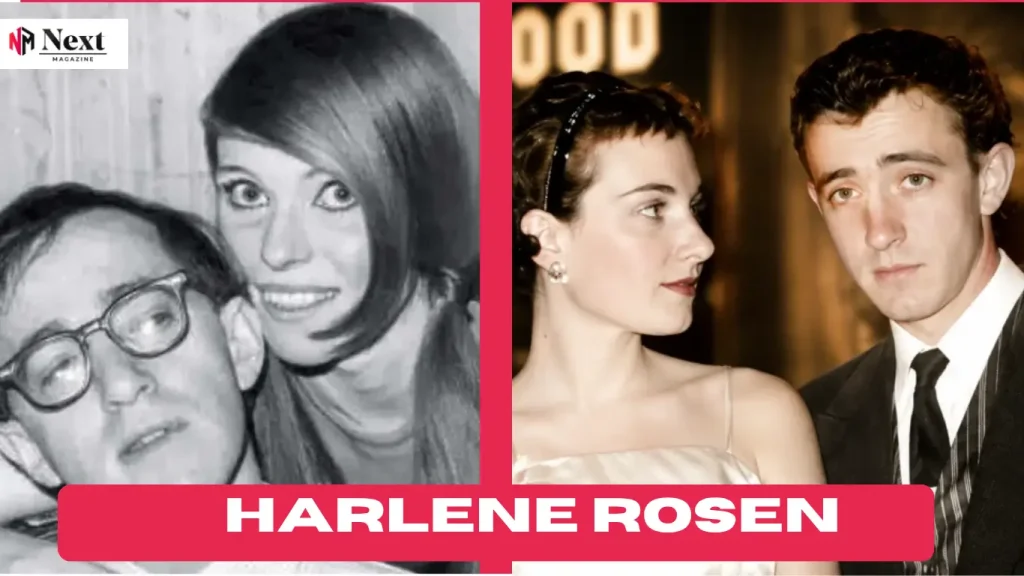









Harlene Rosen: The Untold Story of Woody Allen’s Forgotten First Wife

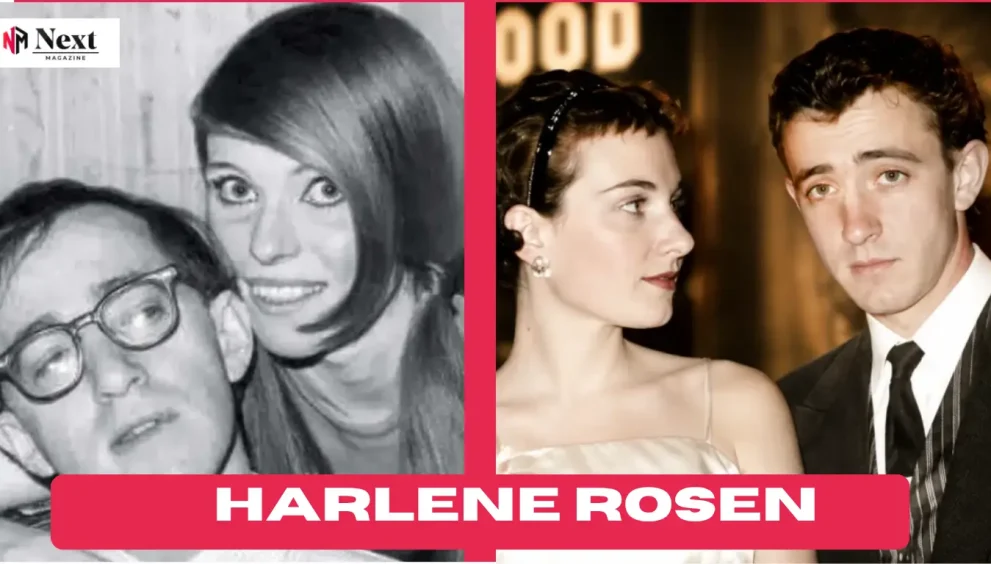
In the glittering world of Hollywood, where fame is currency and attention is power, some stories get buried beneath the noise. Harlene Rosen is one of those stories. She is the woman who stood beside Woody Allen before the world knew his name — his first wife, his early creative companion, and ultimately the person his comedy would wound most publicly. While Allen went on to collect Academy Awards and become one of cinema’s most debated figures, Harlene quietly stepped back into private life, never seeking revenge, never chasing headlines, and never allowing her identity to be reduced to someone else’s punchline. This is her story — told with the honesty and respect it has always deserved.
Who Is Harlene Rosen?
Harlene Rosen is the first wife of iconic American filmmaker and comedian Woody Allen — a woman whose name is largely forgotten by history despite playing a defining role in his early life and career. She was born in 1939 in Brooklyn, New York, into a Jewish family that valued education, music, and cultural expression. Long before Allen became a Hollywood legend, Harlene was the young woman standing quietly beside him, supporting his ambitions and sharing the early chapters of his story.
What makes her story particularly compelling is not the fame she never sought, but the quiet dignity with which she lived her entire life. She was a talented pianist, a college graduate, and a woman who — when pushed far enough — had the courage to stand up in court against one of entertainment’s most powerful rising stars.
Early Life and Musical Talent
Harlene Rosen grew up in Brooklyn with a genuine love for music. She developed strong skills as a pianist from a young age, an art that became a central part of her identity. In the vibrant cultural atmosphere of 1950s New York, she was a thoughtful and intelligent young woman — someone who valued peace, creativity, and depth over spotlight and noise.
Her passion for music was not merely a hobby. It was the very thread that connected her to Woody Allen in the first place and later became a source of personal peace long after their marriage ended in bitterness and public humiliation.
How Harlene Rosen Met Woody Allen
Harlene Rosen first crossed paths with Woody Allen — then still known by his birth name, Allan Stewart Konigsberg — in the mid-1950s when she was around 15 or 16 years old. He was an ambitious teenager hustling to make a name for himself writing comedy material and performing in small New York venues. Their bond formed quickly around shared passions: humor, art, literature, and especially music.
Harlene even played piano in Allen’s early jazz band, turning their romantic relationship into a creative partnership as well. It was a teenage love story rooted in shared dreams, and for a brief time, it carried real warmth and mutual ambition.
The Marriage: Young Love Under Pressure
Harlene Rosen and Woody Allen became engaged in 1955 and married on March 15, 1956, in a ceremony led by a rabbi. She was just 17 years old; he was 20. The newlyweds settled into a modest apartment in New York City, beginning their life together with optimism but also with the enormous pressures that come from marrying so young.
The early years were financially lean. Allen was earning just $25 per week while trying to break into comedy, and Harlene provided emotional support as he pursued his career. She later completed four years of college while they were still together — a detail that speaks to her independence and personal drive even within a marriage that was quickly revealing its cracks.
When the Marriage Began to Break Down
By all accounts — including Allen’s own admissions in his stand-up routines — the marriage was troubled almost from the beginning. There was no real honeymoon period. Friends of the couple noted that both were too young and quickly realized they had made a mistake. The gap between their personalities widened as Allen’s ambitions pulled him deeper into public life while Harlene preferred stability and privacy.
Allen later acknowledged in interviews that he had approached the marriage with immaturity and a bad attitude. He admitted he married partly to escape his parents’ home and gain independence — not entirely for love. These were honest confessions, but they did little to soften the pain that followed.
The Public Humiliation: Comedy at Her Expense
As Woody Allen’s comedy career began to take off, he made a choice that would define the most damaging chapter of their relationship: he turned Harlene into material. He began incorporating jokes about her into his nightclub acts and television appearances, painting her in deeply unflattering ways.
Some of the things he said publicly about her included:
- Calling her “The Dread Mrs. Allen” in stand-up routines broadcast to large audiences
- Comparing her appearance to “Quasimodo” during nightclub performances
- Making crude remarks about their private life and her personal character
- Joking about a sexual assault she suffered — after she was attacked outside her apartment and newspapers reported she had been “violated,” Allen quipped on The Dick Cavett Show that knowing his ex-wife, it probably wasn’t a “moving violation.” The audience laughed.
For a private woman who had never sought public attention, hearing her trauma turned into a punchline on national television was a violation that went far beyond bad taste. It was a betrayal.
The $1 Million Defamation Lawsuit
Harlene Rosen had endured years of public mockery in silence. But in 1967, she reached her limit. In a move that was genuinely rare and courageous for the era, she filed a one-million-dollar defamation lawsuit against both Woody Allen and NBC, the network that had broadcast his routines to millions of American households.
The lawsuit was not simply about hurt feelings. It was a formal legal argument that his jokes had damaged her reputation and caused her real and measurable emotional harm. The court responded by issuing a temporary cease-and-desist order, prohibiting Allen from making further jokes about her during his performances while the case remained active.
The case was eventually settled out of court in the early 1970s, with the specific terms remaining private. But the significance of what Harlene did cannot be overstated. In the 1960s, few private citizens — and even fewer women — took on powerful public figures in this way. She did not win in the conventional sense, but she drew a line and made it count.
The Divorce and Its Aftermath
Harlene and Woody separated in 1959, roughly three years into their marriage, though their divorce was not finalized until November 1962. The settlement ordered Allen to pay $75 per week in alimony, with the amount rising to $175 weekly if he secured steady employment. By the time the divorce was finalized, Allen was reportedly earning around $1,500 per week — a number that makes the modest alimony figure feel all the more telling about the power imbalance in how their shared story ended.
The divorce itself was not the end of Harlene’s ordeal. The public jokes continued after the marriage ended, which is precisely what drove her to file the lawsuit five years later. For Harlene, the damage was not just personal — it was reputational, and it followed her through a period of life when she was simply trying to rebuild.
Life After Woody Allen: Choosing Silence Over Spotlight
After the legal battle concluded, Harlene Rosen made a clear and deliberate choice: she walked away from public life entirely. She gave no interviews, wrote no memoir, made no appearances. While Woody Allen went on to win Academy Awards and become one of the most celebrated and controversial figures in American cinema, Harlene disappeared into a life of quiet privacy.
This choice, far from being an act of defeat, reflects a particular kind of strength. She refused to be defined by her association with a famous man. She completed her education, focused on music, and built a life on her own terms — invisible to the public eye by design.
The 2015 Message: Forgiveness After Five Decades
Perhaps the most unexpected chapter in Harlene Rosen’s story came in 2015, when biographer David Evanier was writing Woody: The Biography to mark Allen’s 80th birthday. Harlene sent a statement for inclusion in the book — her first public words about Allen in over fifty years.
The message was gracious, reflective, and human. She referred to him as “Wondrous Woody” and acknowledged:
“You inspired me with your enormous energy, creativity, and charisma… After our teenage summer of love, marriage was difficult… You established a career. I completed four years of college. We supported each other, learnt about life, and became adults. There was sadness, tears, laughter, and love.”
This was not the statement of a bitter woman seeking revenge. It was a mature and emotionally complete reflection on a complicated shared past. She acknowledged the good alongside the pain, and she extended goodwill without minimizing what had happened. It was an act of remarkable personal growth — and it shifted how many people understood her story.
Where Is Harlene Rosen Today?
As of 2026, Harlene Rosen would be approximately 86 years old, based on her birth year of 1939. There are no confirmed reports of her death, and she is believed to still be alive. Her exact location and daily life are not publicly known, because she has maintained her commitment to privacy with remarkable consistency for over six decades.
She never remarried. She has no children. She has no Wikipedia page of her own. In an era that rewards exposure and celebrates oversharing, Harlene Rosen remains genuinely, resolutely private — and perhaps that itself is the most powerful statement she has ever made.
Her Lasting Significance
Harlene Rosen’s story matters for reasons that extend beyond celebrity gossip. She represents several important truths about the era she lived through and the culture she navigated:
- She was a woman whose pain became someone else’s punchline — and she refused to accept that without a fight.
- Her 1967 lawsuit was ahead of its time, raising questions about the limits of comedic expression and the rights of private individuals that are still debated today.
- Her choice of silence was not weakness — it was a form of dignity in a world that wanted her to perform her suffering publicly.
- Her 2015 message showed emotional intelligence rare in any public narrative about a bitter divorce.
She did not become famous. She did not write a tell-all. She did not position herself as a victim. She simply lived — and in doing so, quietly out-dignified nearly everyone who laughed at her expense.
Frequently Asked Questions (FAQs)
Q1. Who is Harlene Rosen? Harlene Rosen is best known as the first wife of Woody Allen. She was born in Brooklyn, New York, around 1939, and married Allen in 1956 when she was just 17 years old. A talented pianist, she lived a deliberately private life after their divorce.
Q2. When did Harlene Rosen marry Woody Allen? They married on March 15, 1956. Harlene was approximately 17 years old and Allen was 20. The wedding ceremony was conducted by a rabbi.
Q3. Why did Harlene Rosen and Woody Allen divorce? Their marriage broke down due to youth, immaturity, and incompatible personalities. Allen admitted in various interviews that he approached the marriage without emotional readiness. Their separation in 1959 and final divorce in 1962 were the result of years of growing distance — made worse by Allen publicly mocking Harlene in his comedy routines.
Q4. Did Harlene Rosen sue Woody Allen? Yes. In 1967, she filed a one-million-dollar defamation lawsuit against Woody Allen and NBC, claiming his public jokes had damaged her reputation and caused emotional harm. The court issued a temporary cease-and-desist order, and the case was settled privately in the early 1970s.
Q5. Did Harlene Rosen and Woody Allen have children? No. They had no children together, and there are no public records of Harlene having children after the divorce.
Q6. Did Harlene Rosen ever speak publicly about Woody Allen again? Yes — once. In 2015, she sent a warm and reflective message through biographer David Evanier for Allen’s 80th birthday book. It was the first time she had spoken publicly about him in more than fifty years.
Q7. Is Harlene Rosen still alive? Based on her birth year of approximately 1939, Harlene Rosen would be around 86 years old in 2026. As of this writing, there are no confirmed reports of her death. She continues to live privately, away from the public eye.
Q8. What is Harlene Rosen’s connection to Woody Allen’s comedy career? The jokes Allen wrote and performed about their troubled marriage were foundational to his early comedic style. In a painful irony, her suffering helped shape the neurotic, self-deprecating persona that would eventually make him one of the most celebrated comedians in American history.
For More Visits: Nextmagazine.blog
Also Read: Amy Dettbarn 2026: The Inspiring Story of Paige Bueckers’ Mom Who Raised a Champion