English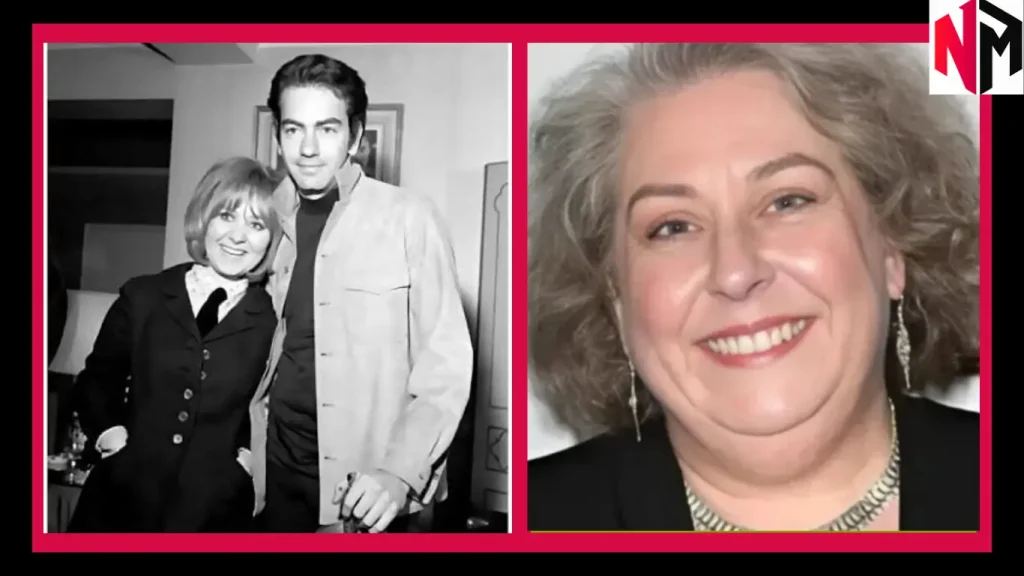

















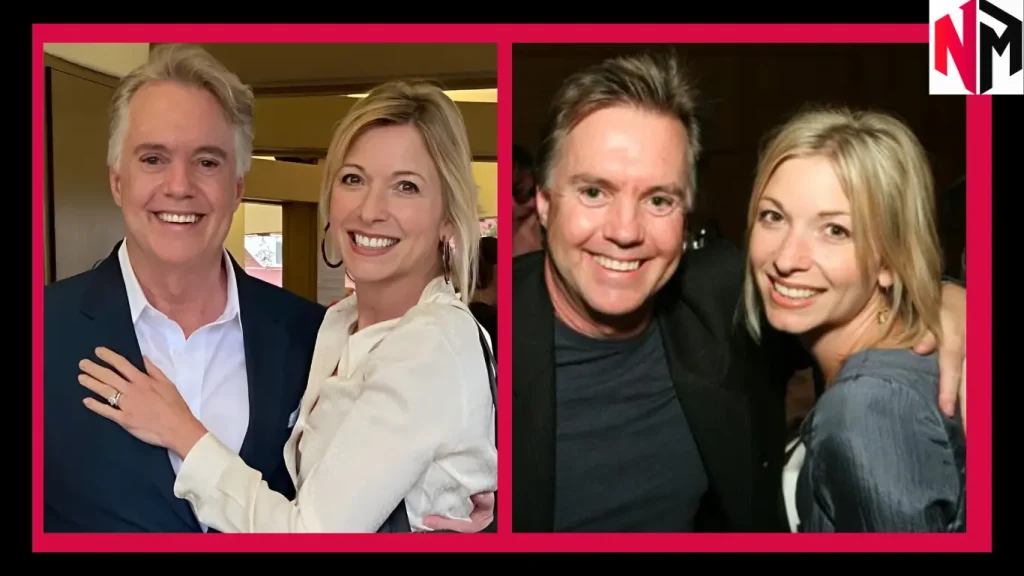
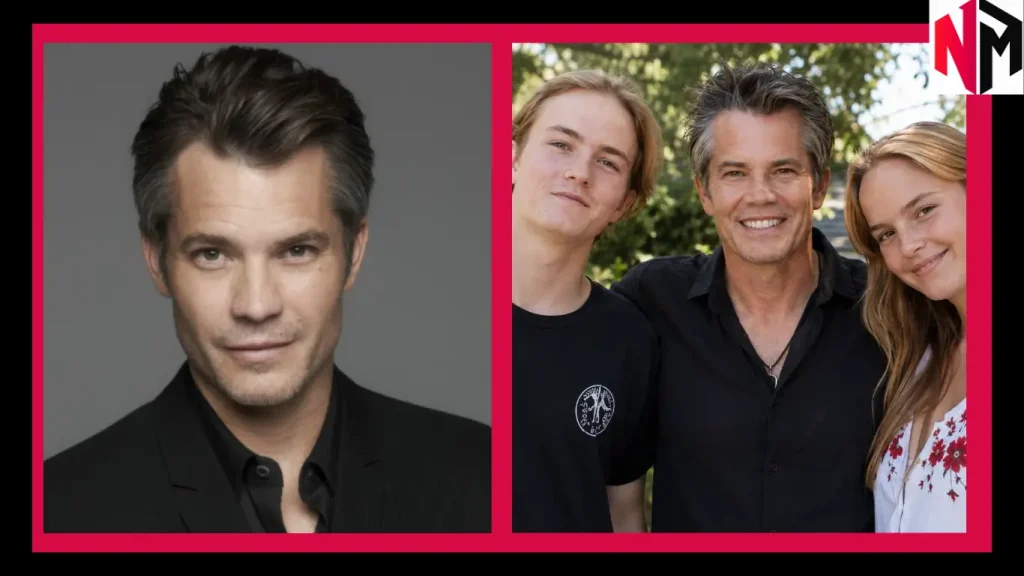

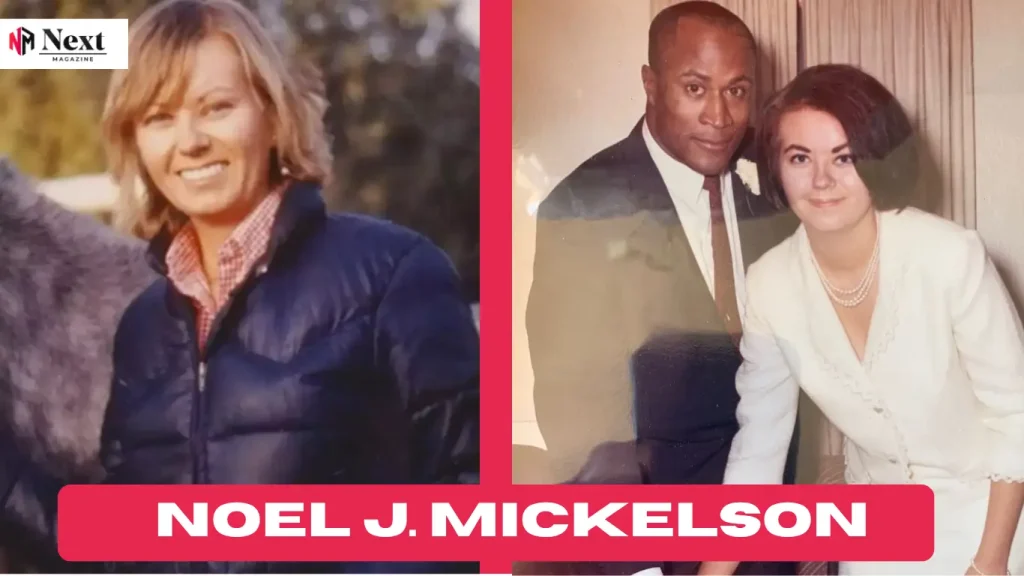
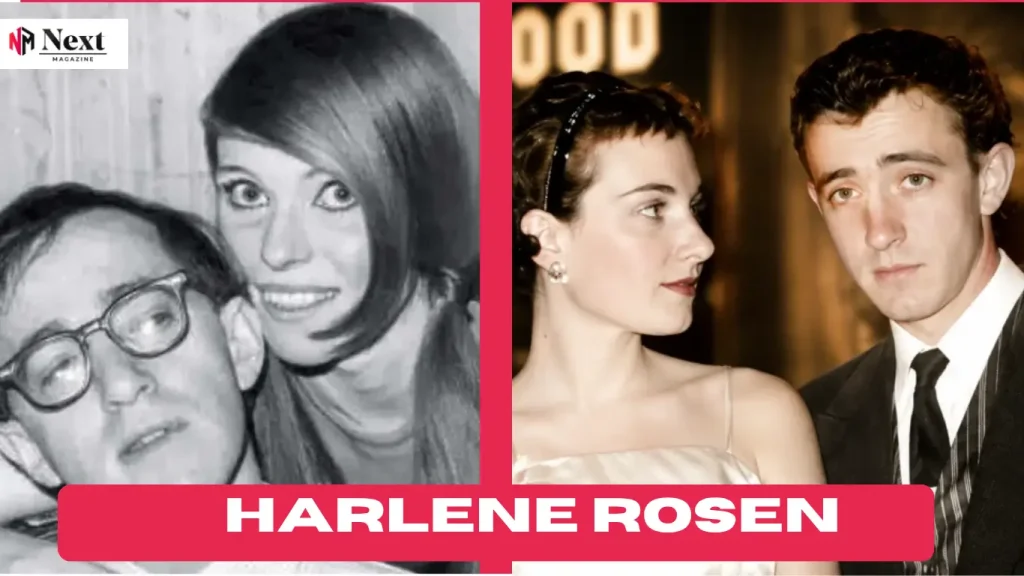




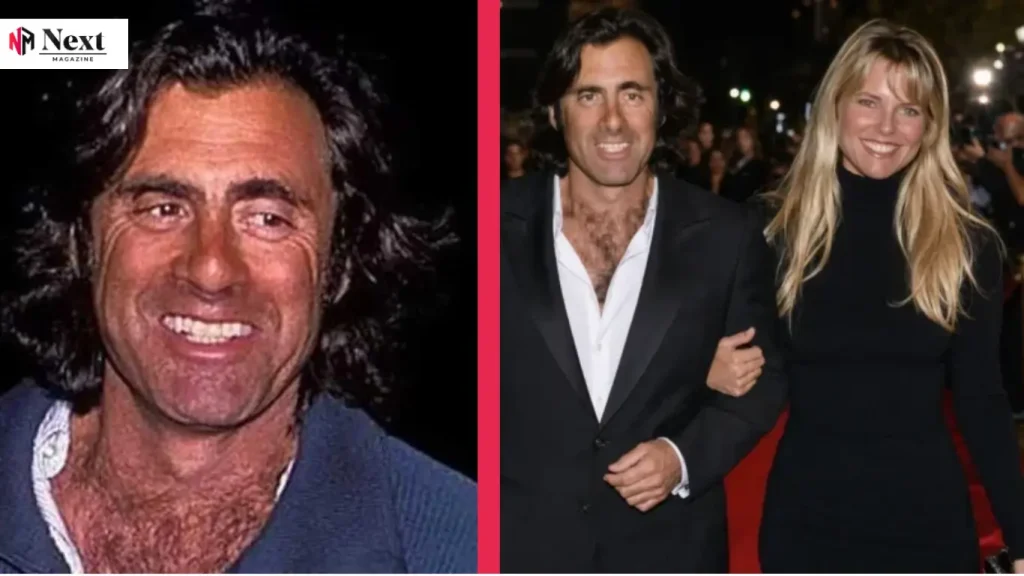
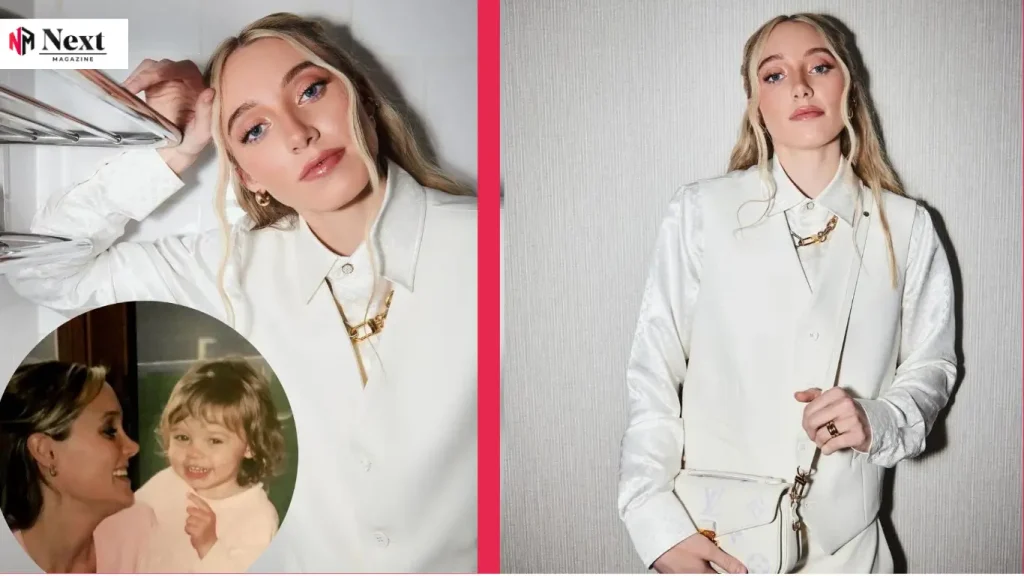






Susan Acevedo: The Woman Who Walked Into Neil Young’s World and Left Her Mark on History

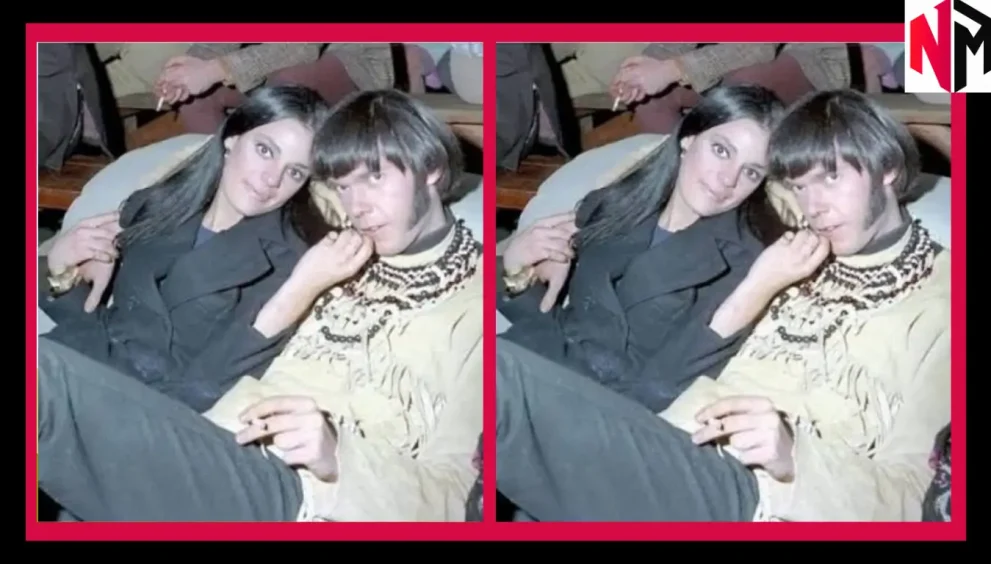
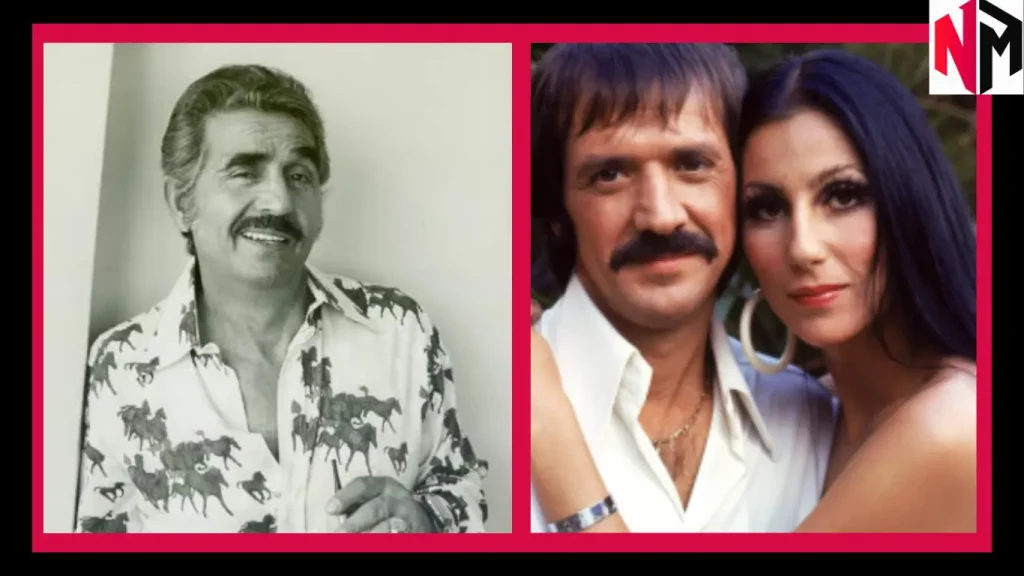
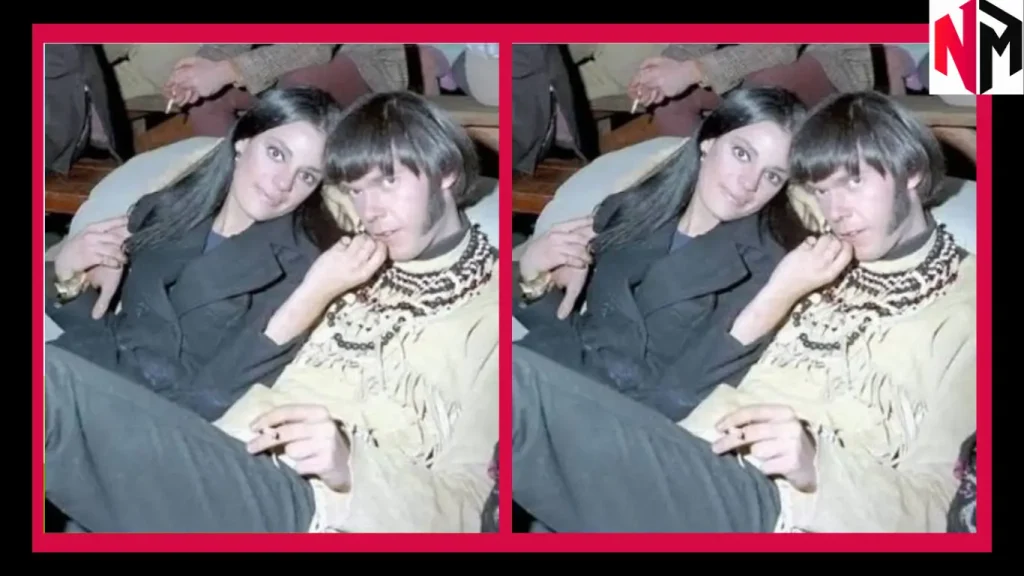
Susan Acevedo is a name that carries quiet significance in the story of one of rock music’s most legendary figures. While the world knows Neil Young as the godfather of grunge, a folk-rock pioneer, and a restless creative spirit, fewer people pause to consider the woman who stood beside him during one of the most formative periods of his career. Susan Acevedo was Neil Young’s first wife — a real person with her own identity, her own story, and her own chapter in a remarkable era of American music history.
Understanding Susan Acevedo means stepping away from the spotlight that always shone on Neil Young and asking a different kind of question: who was the woman behind the man when the man was just beginning to become a legend?
Who Is Susan Acevedo?
Susan Acevedo was born and raised in California, and she worked as a waitress when she first crossed paths with Neil Young. Their relationship began in the late 1960s, a period when Young was still finding his footing as a solo artist after his departure from Buffalo Springfield. The two met in a setting far removed from stadium stages and recording studios — a reminder that the most consequential connections in life often happen in the most ordinary places.
What drew them together is not something that has been extensively documented, but the timing itself says something meaningful. Neil Young was in transition — professionally uncertain, personally searching — and Susan was part of the world he stepped into during that transitional phase. Their relationship reflected the broader cultural mood of the era: intimate, unpretentious, and grounded in real human connection rather than celebrity performance.
Marriage to Neil Young
Susan Acevedo and Neil Young were married on December 1, 1968. The wedding was modest by any standard, held without the fanfare one might associate with a rock musician who was already generating serious critical attention. At the time of their marriage, Neil Young had released his self-titled debut solo album and was working on what would become one of his most celebrated records.
The marriage lasted approximately two years. They divorced in 1970, a year that also marked a period of intense creative output and personal complexity for Young. While the exact reasons for the breakdown of the marriage have never been fully detailed in the public record, those close to the situation have suggested that the demands of Young’s career, his frequent touring, and the emotional volatility that comes with artistic ambition all played a role. Susan, by contrast, appears to have preferred a quieter, more grounded life — one that was increasingly incompatible with the trajectory Young was on.
Life Away From the Spotlight
One of the most striking things about Susan Acevedo is how deliberately she stepped away from public attention after her divorce from Neil Young. In an age when celebrity adjacency often becomes its own form of fame, Susan chose a different path entirely. She did not give interviews about her marriage. She did not write a memoir. She did not leverage her connection to one of the most famous musicians in the world for personal gain.
This choice deserves genuine respect and recognition. Susan Acevedo understood something that many people in her position do not: that a relationship — even one with a famous person — belongs to the people in it, not to the public. Her discretion is not silence born of shame; it is the quiet confidence of someone who knows that her life has value independent of who she was once married to.
- She returned to private life after the divorce.
- She has never publicly commented on her marriage to Neil Young in any known media format.
- She maintained her personal dignity throughout decades of public fascination with Young’s life.
- Her choices stand in sharp contrast to the tell-all culture that has come to define celebrity divorce narratives.
The Cultural Context of Their Relationship
To understand Susan Acevedo’s place in history, it helps to understand the world she and Neil Young inhabited together. The late 1960s and early 1970s were a time of profound social upheaval in America. The Vietnam War was reshaping national identity. The counterculture movement was challenging every established norm. And rock music was transitioning from entertainment into something closer to moral testimony.
Neil Young was at the center of this cultural moment. His music was absorbing the pain and complexity of the era, and his personal life was inevitably shaped by the same forces. Susan was with him during this period — not as a passive observer, but as a partner whose presence, stability, and private support almost certainly contributed to the emotional environment from which his early solo work emerged.
Historians and music critics who examine creative output through the lens of personal biography have long noted that artists rarely create in a vacuum. The relationships they form — the warmth, the conflict, the ordinary routines of domestic life — all feed into the work. Susan Acevedo was part of that equation during a period that produced some of Young’s most enduring music.
A Case Study in Privacy and Dignity
The story of Susan Acevedo offers a genuinely instructive case study for how individuals navigate fame-adjacent lives with grace. Consider the contrast with other figures in rock music history who were connected to famous partners and subsequently built public identities around those connections. Susan did none of this.
What makes her story compelling from a sociological perspective is precisely her absence from the public record. In an era before social media, before reality television, and before the constant pressure to monetize personal experience, Susan’s choice to live quietly was perhaps easier to make — but no less meaningful for that. She made it in a world that was becoming increasingly fascinated with celebrity, and she sustained it across decades.
This is not a story of someone forgotten or erased. It is the story of someone who chose their own terms of engagement with the world. That choice has its own kind of power.
Neil Young’s Life After Susan
Following his divorce from Susan Acevedo, Neil Young entered one of the most creatively fertile periods of his career. Albums like Harvest, released in 1972, cemented his reputation as one of the defining voices of his generation. He went on to have relationships with actress Carrie Snodgress, with whom he had a son named Zeke, and later married actress Pegi Morton in 1978 — a marriage that lasted over three decades before ending in divorce in 2014. Young subsequently married actress Daryl Hannah in 2018.
Each chapter of Young’s personal life has been scrutinized, documented, and discussed in great detail. His first marriage to Susan Acevedo, by contrast, remains one of the quieter footnotes in his biography — not because it was unimportant, but because Susan herself ensured it remained private. That asymmetry is itself a form of self-authorship.
Why Susan Acevedo’s Story Matters Today
In the contemporary moment, when celebrity relationships are treated as public property and the boundaries between private and public life have all but dissolved, the story of Susan Acevedo carries a kind of moral weight. She reminds us that people who exist in proximity to fame are not obligated to perform that proximity for public consumption.
Her story also raises important questions about how history remembers — and forgets — the women connected to famous men. The tendency in popular culture is to flatten these women into supporting characters in someone else’s narrative. Susan Acevedo resists that flattening, not by making noise, but by having lived a full life on her own terms. The very act of researching her name and finding so little is itself revealing: it tells us something about what she valued and what she chose to protect.
What We Can Learn From Susan Acevedo
There are several meaningful takeaways from Susan Acevedo’s quiet but significant story:
- Privacy is a form of strength. Choosing not to speak does not mean having nothing to say. It can mean understanding exactly what is worth protecting.
- Identity is not defined by association. Susan’s life did not begin or end with her marriage to Neil Young. She was a whole person before and after that relationship.
- Dignity outlasts fame. The world remembers Neil Young’s music. Susan Acevedo is remembered by those who mattered to her personally — and that is a kind of immortality that celebrity cannot manufacture.
- The untold story has its own integrity. Sometimes the most honest account of a life is the one that is never published.
Frequently Asked Questions (FAQs)
Who is Susan Acevedo? Susan Acevedo is best known as the first wife of rock legend Neil Young. She was a California native who worked as a waitress before marrying Young in December 1968.
When did Susan Acevedo and Neil Young get married? They married on December 1, 1968, in a private ceremony.
How long were Susan Acevedo and Neil Young married? Their marriage lasted approximately two years. They divorced in 1970.
Did Susan Acevedo and Neil Young have any children together? There are no documented children from their marriage.
What did Susan Acevedo do after her divorce from Neil Young? Susan returned to private life and has maintained a very low public profile ever since. She has never given interviews or made public statements about her marriage.
Why is Susan Acevedo not well known? Her deliberate choice to stay out of the public eye has meant that very little information about her life after the divorce is available. This is a reflection of her personal values rather than any lack of significance.
Who did Neil Young marry after Susan Acevedo? After Susan, Neil Young had a significant relationship with actress Carrie Snodgress. He then married Pegi Morton in 1978, and later married actress Daryl Hannah in 2018.
How did Susan Acevedo and Neil Young meet? They met in California in the late 1960s, during a period when Young was building his solo career following his time with Buffalo Springfield.
Final Thoughts
Susan Acevedo remains one of the most intriguing figures at the margins of rock music history — not because of what she revealed, but because of what she chose not to. Her story is a meditation on privacy, dignity, and the right of every individual to define their own legacy on their own terms. She was present at the beginning of one of music’s most extraordinary careers, she lived through one of the most turbulent decades in American cultural history, and she emerged from all of it as herself — not as a footnote, not as a celebrity adjunct, but as a person who understood the difference between being seen and being known.
That understanding, quietly maintained across a lifetime, may be the most remarkable thing about Susan Acevedo.
For More Visits: Nextmagazine.blog
Also Read: Samantha Winslow: Biography, Career, Love Life, and the Story Behind the Legend